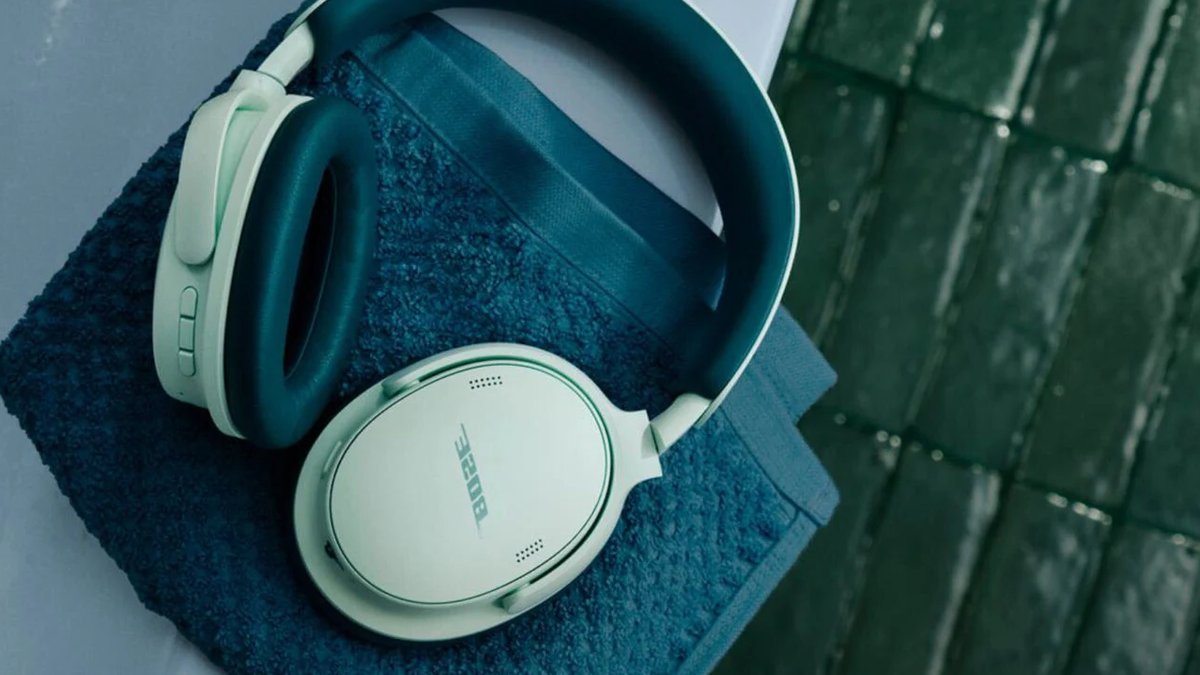
Bose announced the second-generation QuietComfort headphones, with pre-orders starting August 8. The latest version keeps the original design but includes changes to improve comfort, appearance, and performance. The decision to maintain the core structure of the first-generation model reflects Bose’s strategy of refining an already well-received product rather than overhauling it. This approach allows the company to address user feedback on specific pain points while avoiding the risks associated with radical redesigns, which can alienate existing customers or introduce unforeseen issues. The pre-order window, set to begin on a Thursday, suggests a calculated rollout aimed at building anticipation without rushing production, a common tactic for tech products where demand often exceeds initial supply.
Design tweaks focus on wearability
The new model has a slightly refined shape, with ear cups resembling a pill and a softer synthetic leather on the headband and ear pads. The pill-shaped ear cups represent a subtle but deliberate shift from the more rounded contours of the original, offering a flatter surface that may distribute pressure more evenly across the ears. This adjustment could reduce hotspots—areas where prolonged contact causes discomfort—particularly for users with larger or more sensitive ears. The synthetic leather, while still artificial, has been engineered to mimic the suppleness of natural materials, which can prevent the stiffness or cracking that sometimes occurs with prolonged use. Bose adjusted the clamping force to reduce pressure while keeping the headphones secure, aiming to lessen fatigue during long listening sessions. The balance between grip and comfort is a critical factor in over-ear headphones, as excessive clamping can cause headaches, while too little can lead to slippage during movement. Bose’s solution appears to involve a recalibrated tension mechanism, likely achieved through adjustments to the headband’s spring or the ear cup hinges, ensuring stability without sacrificing comfort.
Five colors will be available: Eucalyptus Green, Black, White Smoke, Rosewood Mauve, and Dewdrop Mint. The lineup excludes Hazelnut Taupe, a sixth shade that appeared in earlier leaks but was dropped from the final release. The color palette reflects a mix of neutral and statement options, catering to both professional and casual users. Eucalyptus Green and Dewdrop Mint, for instance, introduce lively yet understated hues that align with current trends in personal electronics, where muted pastels and earthy tones are increasingly popular. Rosewood Mauve, a deeper, warmer shade, may appeal to users seeking a more sophisticated aesthetic, while White Smoke and Black provide classic, versatile choices. The exclusion of Hazelnut Taupe, despite its inclusion in leaks, suggests a last-minute decision possibly driven by production constraints, color accuracy issues, or market research indicating lower demand. Such omissions are not uncommon in product launches, where companies often refine their offerings based on feedback from focus groups or supply chain limitations.
Audio upgrades and battery life
A key addition is TrueSpatial technology, which brings immersive audio modes previously only found in the QuietComfort Ultra. These include Still, Motion, and Cinema settings, though activating them reduces battery life from 24 hours to 18. TrueSpatial is designed to simulate a three-dimensional soundstage, creating the illusion that audio is coming from multiple directions rather than just the left and right channels. The Still mode is optimized for stationary listening, such as when sitting at a desk or on a plane, where it can enhance the perception of depth in music or podcasts. Motion mode, by contrast, dynamically adjusts the audio field to compensate for head movements, making it ideal for users who frequently shift positions, such as during workouts or while walking. Cinema mode is tailored for movies and TV shows, expanding the soundstage to mimic a theater-like experience, which can make dialogue clearer and sound effects more immersive. The trade-off in battery life stems from the increased processing power required to render these effects in real time. The 24-hour runtime without TrueSpatial aligns with the original model, indicating that Bose prioritized maintaining baseline performance while adding new features, rather than extending battery life through hardware improvements. Charging remains the same as the first generation, with no wireless or fast-charging options added. This omission may disappoint users who have come to expect these conveniences in premium headphones, but it also suggests Bose’s focus on incremental rather than revolutionary changes.
The headphones are priced at $359, positioning them near the top of Bose’s mid-range offerings. Pre-orders will begin shipping August 13, though in-store availability has not been announced. The price point places the QuietComfort (2nd Gen) in direct competition with other high-end noise-canceling headphones, such as Sony’s WH-1000XM5 and Apple’s AirPods Max, both of which offer similar features but at varying price tiers. Bose’s decision to maintain a premium price reflects its brand positioning as a leader in audio quality and comfort, though it may limit accessibility for budget-conscious consumers. The lack of in-store availability at launch could be a strategic move to manage inventory or a logistical delay, but it may also frustrate customers who prefer to test products before purchasing. The five-day gap between pre-order start and shipping suggests a controlled release, likely intended to prevent stock shortages or shipping delays that have plagued other high-profile tech launches.
People who wear headphones for long periods, such as travelers or office workers, may notice the difference from the softer materials and adjusted fit. The synthetic leather’s improved texture, for example, can reduce the buildup of heat and moisture that often occurs during extended use, a common complaint among users in warm climates or during intense work sessions. The recalibrated clamping force could also alleviate the “vice-like” pressure some users experience after several hours, a problem that has led to fatigue or even headaches in the past. The trade-off between immersive audio and battery life could disappoint those who depend on extended playback, showing Bose chose comfort over longer runtime. For frequent travelers or remote workers, the six-hour reduction in battery life when using TrueSpatial may require more frequent charging, which could be inconvenient during long flights or workdays. However, the feature’s inclusion caters to audiophiles and content creators who prioritize sound quality over convenience, suggesting Bose is targeting a niche within its broader customer base.
While TrueSpatial modes aren’t entirely new for the brand, they represent an effort to compete with Sony and Apple in spatial audio. The technology’s implementation in the QuietComfort (2nd Gen) is part of a broader industry trend where headphone manufacturers are increasingly focusing on immersive audio as a key differentiator. Sony’s 360 Reality Audio and Apple’s Spatial Audio with Dolby Atmos have set high expectations for what users can expect from premium headphones, and Bose’s TrueSpatial aims to meet that standard. The feature’s real-world performance will determine whether it justifies the price increase, with reviews expected to provide clarity after launch. Early adopters and tech reviewers will likely scrutinize the accuracy of the spatial effects, particularly in how well they replicate a live concert or theater experience. If the technology falls short, it could undermine Bose’s reputation for audio excellence, but if it delivers, it may help the company regain ground lost to competitors in recent years.
Bose’s choice to stay close to the original design suggests confidence in its approach. The minimal changes indicate that the company views the first-generation QuietComfort as a near-perfect product, requiring only fine-tuning rather than a complete redesign. This strategy carries less risk than a radical overhaul, as it avoids alienating existing customers while still offering enough novelty to attract new buyers. However, the minor updates might leave some users questioning whether the refresh was necessary, particularly those who expected more substantial improvements in areas like battery life or connectivity. The removal of Hazelnut Taupe, despite its appearance in leaks, points to possible last-minute production or marketing adjustments. Such changes are often made to streamline manufacturing, reduce costs, or align with broader branding decisions, though they can also frustrate consumers who had their hearts set on a specific color option.
Early impressions suggest the headphones will appeal most to existing Bose customers looking for small improvements rather than a complete overhaul. The QuietComfort (2nd Gen) appears to be an evolutionary rather than revolutionary product, which may disappoint those hoping for breakthrough innovations like foldable designs or AI-powered noise cancellation. However, for users who value incremental refinements—such as the softer materials, adjusted fit, and TrueSpatial audio—the updates could be enough to justify the upgrade. The headphones’ success will ultimately depend on how well these changes address the pain points of long-term wear, as well as whether the immersive audio features deliver on their promise in real-world use.





Leave a Reply