Programming is often described as the language of machines, yet its essence is profoundly human. It is the disciplined act of translating abstract intent into executable logic, of shaping thought into structures that silicon can interpret. In a world increasingly mediated by software, programming has evolved from a niche technical skill into a foundational literacy, influencing how problems are framed, analyzed, and resolved.
Short lines of code can move markets. Long systems can reshape societies.
The Intellectual Architecture of Programming
At its core, programming is an exercise in structured reasoning. Algorithms emerge from decomposition—breaking complex phenomena into manageable components. Data structures provide order, imposing coherence on chaos. Syntax may vary between languages, but the underlying mental model remains consistent: precision, predictability, and intent.
This discipline rewards clarity. Ambiguity is punished. A single misplaced character can collapse an entire system. Yet within these constraints lies creative latitude. Elegant solutions are prized not for verbosity, but for parsimony. The most admired programming constructs often appear deceptively simple, concealing layers of deliberation beneath their surface.
Logic becomes architecture. Architecture becomes behavior.
Languages as Instruments of Programming
No single language defines programming. Instead, languages function as instruments, each tuned for particular contexts. Some emphasize expressiveness, others performance. Some privilege safety, others flexibility. The choice of language shapes how problems are perceived and which solutions feel natural.
High-level languages abstract complexity, accelerating development and reducing cognitive load. Low-level languages expose the machinery, granting granular control at the cost of verbosity. This spectrum allows programming to adapt to diverse domains, from embedded systems to distributed platforms.
Fluency across paradigms—procedural, object-oriented, functional—expands a programmer’s conceptual toolkit. It refines judgment. It sharpens discernment.
Programming and the Art of Problem Solving
Beyond code, programming is a methodology for problem solving. It demands rigor in defining requirements and humility in confronting edge cases. Assumptions must be explicit. Constraints must be respected. The process is iterative, often recursive, marked by cycles of construction, testing, and refinement.
Debugging exemplifies this mindset. It is not merely error correction, but forensic analysis. Symptoms are traced to causes. Hypotheses are validated or discarded. Patience becomes a virtue. Curiosity becomes a compass.
Through this process, programming cultivates resilience. Failure is frequent, but instructive.
The Socioeconomic Impact of Programming
The influence of programming extends far beyond technical circles. Software mediates communication, commerce, education, and governance. Decisions encoded in algorithms shape access, visibility, and opportunity. As a result, programming carries ethical weight.
Bias, when unexamined, can be operationalized at scale. Efficiency, when unbalanced, can erode equity. Responsibility, therefore, is inseparable from competence. Thoughtful programming considers not only what can be built, but what should be built.
Economic value follows this influence. Organizations that harness programming effectively gain leverage—automation, insight, scalability. Those that neglect it risk obsolescence.
Craftsmanship in Programming
Despite automation and abstraction, programming remains a craft. Readability matters. Maintainability matters. Code is read far more often than it is written, and clarity compounds over time. Naming conventions, modular design, and documentation are not ancillary tasks; they are integral to quality.
Refactoring exemplifies craftsmanship. It is the deliberate act of improving structure without altering behavior. This practice reflects maturity, acknowledging that initial solutions are rarely optimal. Through refinement, programming systems accrue longevity and adaptability.
Good code ages well. Poor code metastasizes.
The Future Trajectory of Programming
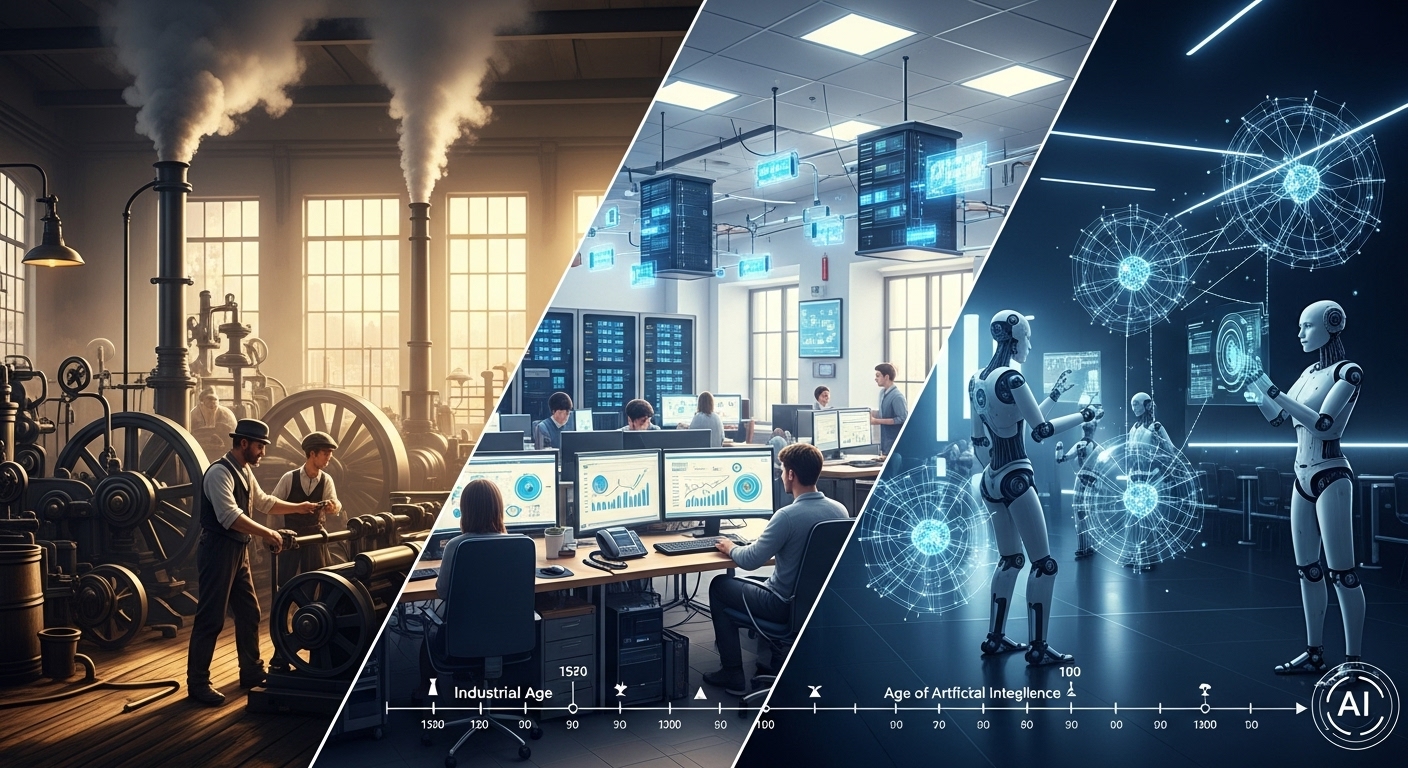
The future of programming is neither static nor singular. Advances in artificial intelligence, low-code platforms, and natural language interfaces are reshaping how software is produced. Some predict obsolescence. Others foresee augmentation.
What is clear is that programming will continue to abstract complexity while introducing new layers of it. As tools evolve, the locus of expertise shifts—from syntax mastery to system design, from manual optimization to conceptual oversight. Understanding remains indispensable.
The medium changes. The mindset endures.
Conclusion: The Enduring Power of Programming
Programming is more than a technical skill set. It is a way of thinking, a framework for engaging with complexity, and a means of exerting influence in a digital world. Its practice demands discipline and rewards insight. Its impact is quiet but pervasive.
In every automated process and every interactive experience, programming leaves its imprint—precise, intentional, and transformative.


.jpeg?crop=3:2,smart&trim=&width=640&quality=65&enable=upscale "The Enduring Allure of Gadgets")