
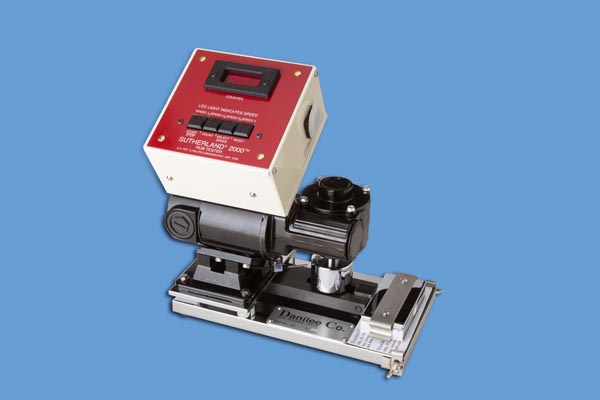
In industrial manufacturing, quality control is essential to ensure products meet durability and performance standards. One critical tool for testing material resistance is the rub tester. Rub testers evaluate how surfaces, coatings, and fabrics withstand friction and wear, providing valuable data for product development and quality assurance. Understanding the different types of rub testers available for industrial use helps companies select the right equipment for their specific testing needs.
Manual Rub Testers and Their Applications
Manual rub testers are the simplest and most cost-effective option for evaluating surface durability. These testers typically involve a weighted or spring-loaded arm that applies pressure to a sample while it is rubbed against a standard abrasive or cloth. Operators can control the speed, pressure, and number of cycles, making manual rub testers versatile for small-scale or laboratory testing.
Manual rub testers are commonly used in textile, leather, and coating industries. For example, fabric manufacturers use them to measure colorfastness to rubbing, ensuring that dyes and finishes remain intact during everyday use. Similarly, paint and coating industries rely on manual rub testers to assess resistance to abrasion and friction, helping identify potential issues before products reach consumers. While manual testers require operator attention, they remain a valuable option for precise, small-scale evaluations.
Automatic Rub Testers for Industrial Efficiency
Automatic rub testers offer enhanced efficiency and repeatability compared to manual models. These machines are programmed to perform a set number of cycles at consistent pressure and speed, reducing operator variability and increasing test accuracy. Automatic rub testers are especially beneficial for high-volume production environments where multiple samples need to be tested under identical conditions.
Industries such as automotive, electronics, and industrial coatings benefit from automatic rub testers. These devices can handle rigorous testing scenarios, including long-duration abrasion tests or high-speed rubbing simulations, providing reliable data for quality control teams. Automatic rub testers often include digital displays, data logging, and programmable settings, allowing manufacturers to maintain detailed records and monitor trends over time. The consistency offered by automatic testers ensures that industrial materials meet durability standards while minimizing human error.
Specialized Rub Testers for Niche Industrial Applications
Certain industries require specialized rub testers tailored to unique testing requirements. For example, leather and textile manufacturers often use crockmeters, a type of rub tester designed to evaluate color transfer and surface wear on delicate fabrics. These machines simulate real-world handling, such as rubbing against clothing, furniture, or accessories, providing insights into product performance.
Coating and paint industries may use Taber abrasion testers or reciprocating rub testers. These specialized machines measure resistance to friction, scratching, and scuffing on rigid or flexible surfaces. Some models allow testing under controlled environmental conditions, including temperature and humidity, to simulate extreme usage scenarios. Choosing the appropriate specialized rub tester ensures that industrial materials are rigorously evaluated, enhancing product reliability and reducing post-production complaints.
Factors to Consider When Choosing a Rub Tester
Selecting the right rub tester for industrial use requires careful consideration of several factors. First, the type of material being tested is critical. Soft fabrics, rigid coatings, and flexible films each demand different testing mechanisms to ensure accurate results. Second, production volume and testing frequency influence whether a manual, automatic, or specialized tester is most appropriate.
Accuracy and repeatability are also essential considerations. Automatic and specialized rub testers generally provide more consistent results than manual models, which can vary depending on operator technique. Additionally, ease of maintenance, availability of replacement parts, and compliance with industry testing standards are important when investing in rub testing equipment.
Finally, budget constraints must be balanced with testing requirements. While high-end automatic and specialized rub testers involve a larger initial investment, they often reduce long-term costs by minimizing errors, ensuring product quality, and reducing the likelihood of product returns. Careful evaluation of these factors ensures that manufacturers select a rub tester that aligns with both operational needs and financial considerations.
Enhancing Industrial Quality Control with Rub Testers
Rub testers are an integral part of industrial quality control programs. By identifying weaknesses in materials and coatings early, manufacturers can implement corrective measures before products reach the market. This proactive approach reduces the risk of warranty claims, enhances brand reputation, and ensures compliance with industry standards.
Integrating rub testing into routine quality assessments provides continuous feedback for research and development teams. Data from manual, automatic, and specialized rub testers can guide material selection, coating formulations, and finishing processes. Over time, this information supports the creation of more durable, reliable products, reducing the need for costly post-production repairs or replacements.
Moreover, documenting rub tester results strengthens a company’s quality assurance program. Detailed records demonstrate adherence to industry standards, which is particularly important for regulatory compliance, certifications, and client audits. By leveraging the right type of rub tester for each industrial application, businesses can maintain high product standards, improve customer satisfaction, and gain a competitive advantage.