Bedrock Data has introduced AI-assisted remediation to tackle data exposure issues across enterprises. This new capability federates the work of fixing data exposure to the data owners, ensuring that remediation keeps pace with the rate of data creation.
The process involves Bedrock Data discovering who owns each exposed dataset, opening a ticket for that owner in their existing workflow, and providing the necessary context to fix the issue. Once the owner closes the ticket, Bedrock Data validates that the exposure has been remediated and reopens the ticket if it hasn’t.
Scaling Remediation with Data Owners
Enterprise data is vast, with petabytes of information, billions of records, and millions of documents. Centralized security teams are often small by comparison and struggle to fix exposure issues at scale. By involving data owners from engineering, data, and business teams, Bedrock Data’s approach enables remediation to operate at a much larger scale.
Conventional data security posture management (DSPM) tools often stop at providing visibility, leaving security teams with a growing list of exposures and no reliable way to get them fixed. According to Bedrock Data’s Enterprise Data Security Confidence Index, 76% of respondents cited a lack of automation and too much manual work as major obstacles to data security.
AI Agents Heighten Exposure Risks
The increasing adoption of AI raises the risk of unresolved exposures turning into leaks. AI agents and copilots can access data at machine speed, following permissions rather than business intent. Sensitive data left in a test environment or shared too broadly can now be discovered by AI systems, highlighting the need for effective remediation.
Bruno Kurtic, CEO of Bedrock Data, noted that every enterprise has more data issues than its centralized data security team can handle. He emphasized that remediation only scales when data owners take ownership of the fix, and that Bedrock Data’s approach enables this by finding the owner, sending the issue to their existing tools, and verifying the result.
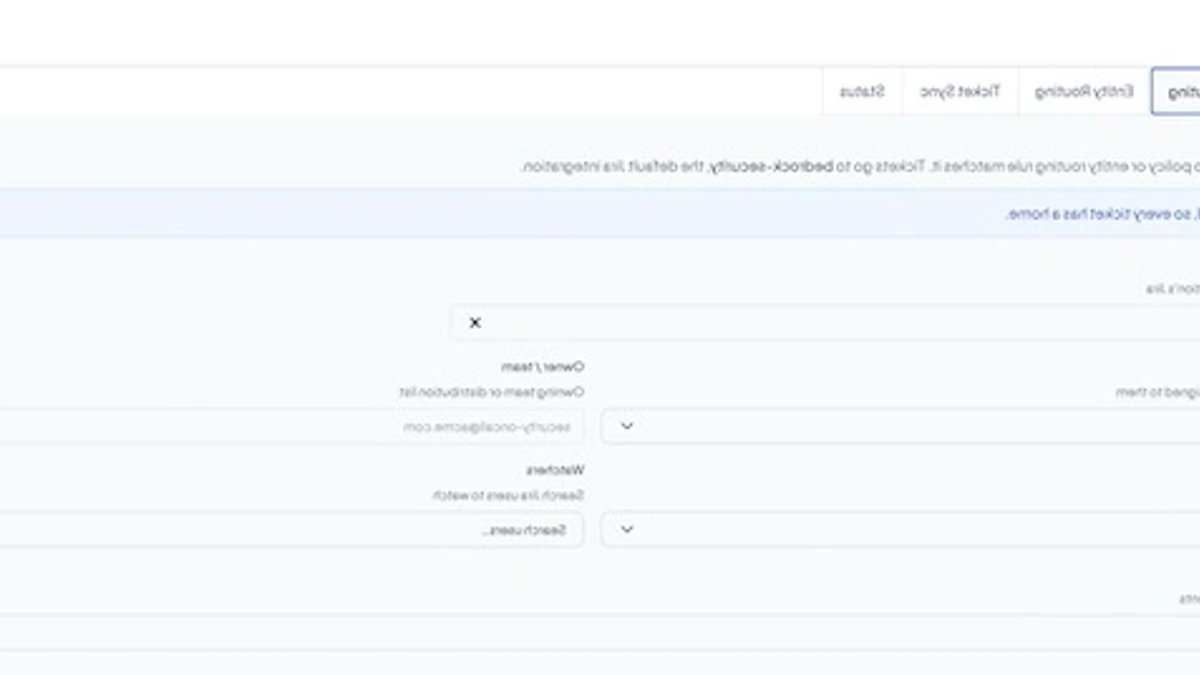
Federated remediation runs through existing IT service management (ITSM) systems, such as Jira and ServiceNow, which enterprises already use to track and resolve issues. This approach eliminates the need for new tools or training, allowing security teams to extend or override default routing with rules written in natural language.
Related Post: Capcom confirms massive gaming account data breach
How Federated Remediation Works
Bedrock Data handles three key steps in the remediation workflow: creating tickets and routing them to owners, examining each exposure and explaining it in context, and tracking the ticket to closure. The company’s AI also answers questions inside the ticket and validates the fix once the owner marks the ticket as resolved.
Verified fixes deliver audit trails for various regulatory frameworks, including PCI DSS 4.0.1, SOC 2, and NYDFS Part 500. This provides security leaders with the evidence they need to demonstrate to their board and auditors that exposures have been effectively remediated.
Manish Chandela, EVP Information Security, Risk and Privacy at Sportradar, emphasized that lasting fixes must come from the teams who run the systems every day. He noted that Bedrock Data’s approach enables this by putting each issue in front of the right owner, with the context to fix it, inside the tools they already use, and then proving the fix held.
Quantified Business Benefits and Cost Reduction
By automating the workflow and verifying remediation, Bedrock Data helps reduce the risk of leaks, misuse, and compliance violations, enabling enterprises to scale up AI adoption. According to IBM’s 2026 Cost of a Data Breach Report, organizations that make extensive use of AI and automation in security operations had average breach costs $1.93 million lower and lifecycles 65 days shorter than organizations that didn’t use them.
The remediation feature is now generally available and bundled with the Bedrock Data platform. It works in real time, matching data creation rates and preventing exposures from piling up in a centralized security backlog. For defined fixes, the system can apply the correction directly, such as revoking document sharing based on sensitivity without a workflow, and it notifies the owner. Data owners may opt in to automatic remediation for recurring exposure types they are comfortable automating.
An AI system can now locate exposed data and surface it within an answer. EY’s 2026 AI Risk and Governance Survey reports that 85% of executives at firms using AI agents say those agents act without real-time human involvement.





Leave a Reply