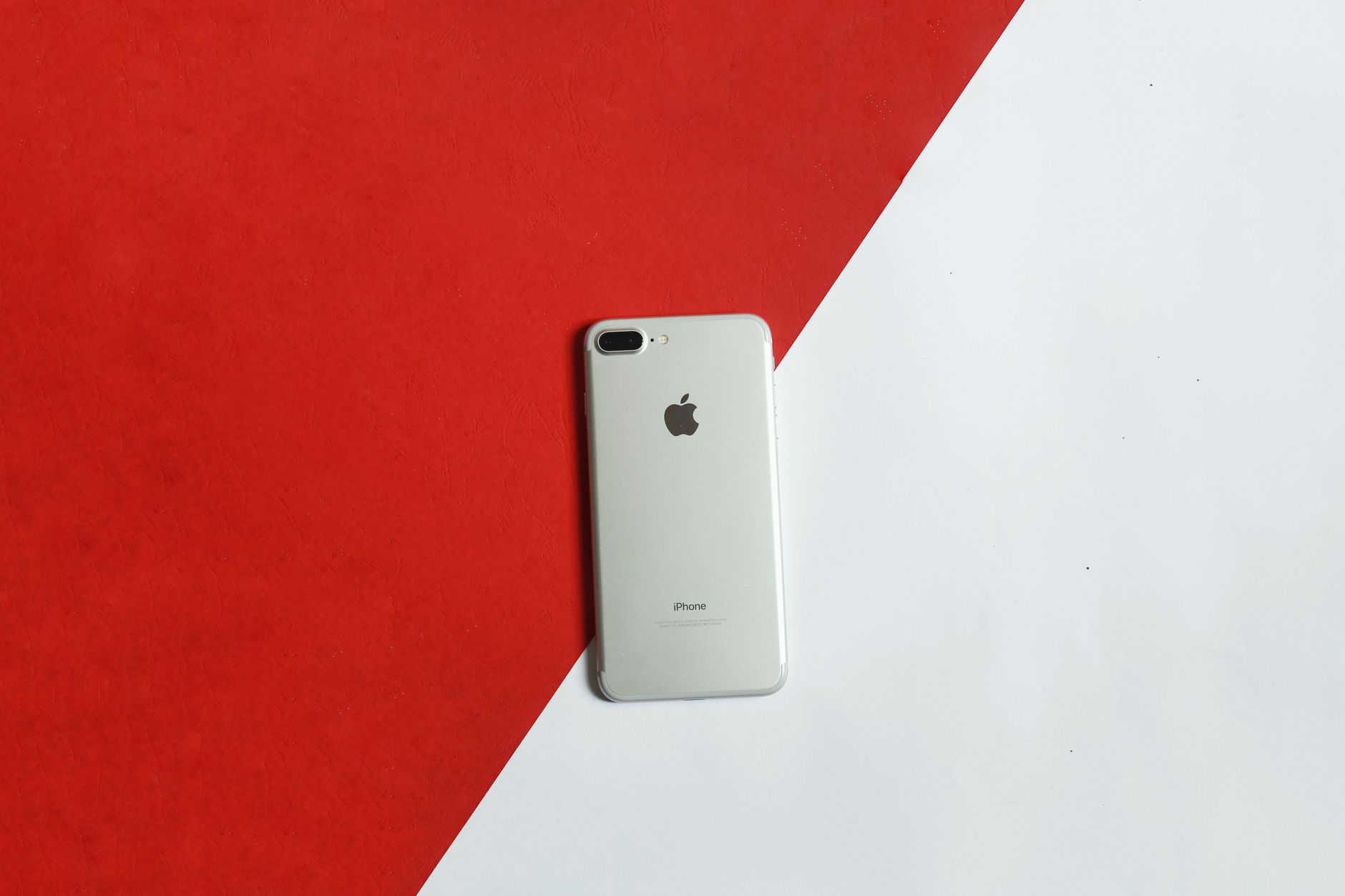
Apple’s foldable iPhone may be closer than expected, according to code hidden in the iOS 27 developer beta. Files discovered by researcher @M1Astra suggest the software can detect a device’s folded state, track how far it’s opened, and recognize multiple displays. This hints that Apple could debut a foldable phone alongside its next major hardware update in September.
Read next: Elon Musk’s Commitment to Anthropic: Myths, Deals, and Competitive Ethics (2026 Guide)
Code reveals software readiness
The iOS 27 beta includes terms like “foldState” and “mechanicalAngleDegrees”, indicating the company is preparing for a device that bends. The code also references “MGGetLogicalDeviceDisplayCount”, which could mean the system manages multiple screens. These details align with the company’s recent WWDC keynote, where iOS 27 was officially announced.
Related: Bending Spoons seeks stock market listing
Competitors like Samsung and Huawei have sold foldables for years, but the company’s entry will face high scrutiny. Thickness remains a key concern for users. A second screen might be appealing, but practicality matters—especially for those who prioritize pocket-friendly designs.
Thinner than expected
The iPhone Air, unveiled last year, is 5.6 millimeters thick—about the size of four stacked dimes. If folded, two such screens would total 11.2 millimeters, thinner than most Samsung foldables except the Galaxy Z Fold7. This suggests the company could address one of the biggest complaints about current foldables: bulk.
However, the company has not yet announced a foldable model. The code hints at software readiness, but hardware development timelines are unclear. Previous innovations, like the iPhone Air, took years to refine before mass production.
Related: Create a playlist of your favorite songs and share it with your friends on social media
Consumer expectations will be high. Foldables must balance screen size, durability, and portability. The company’s track record with thin devices may help, but it will need to prove its foldable can compete with existing options while maintaining its signature build quality.
Challenges ahead
Despite the code’s implications, no official details have emerged. The company typically keeps hardware plans secret until launch. Its first foldable will likely face comparisons to Samsung’s Z Fold series and Huawei’s Mate X models, both of which have evolved over time.
Related: SpaceX IPO filing reveals odd details
Thickness alone won’t guarantee success. Foldables must also handle wear and tear, avoid screen creasing, and offer value beyond a second display. The company’s software integration could be a differentiator, but hardware execution will be critical.
For now, the iOS 27 code offers a glimpse into what could be next. Whether the company’s foldable will meet expectations remains to be seen, but the signs point to a potential fall release—assuming it can overcome the usual hurdles of innovation.




Leave a Reply