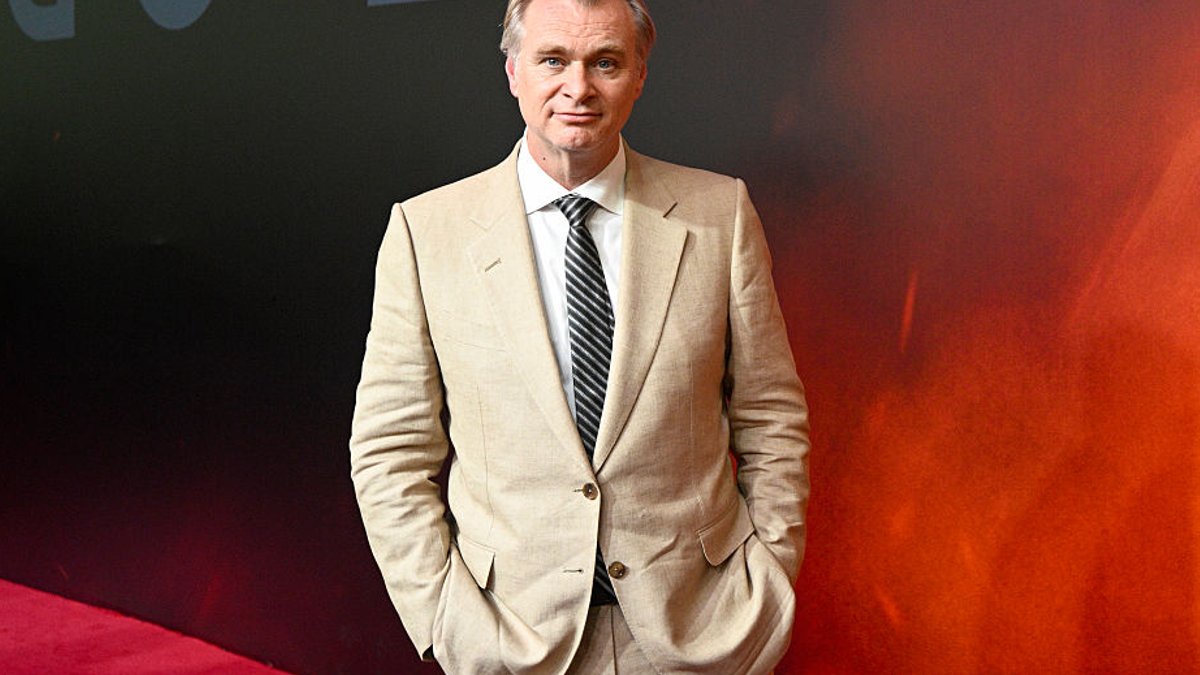
Christopher Nolan, the Oscar-winning director behind the box office hit The Odyssey, has described artificial intelligence as a “Trojan horse” the public already sees as dangerous.
During a conversation with YouTube interviewer Hugo Travers, Nolan compared AI to the wooden horse in his film—a gift hiding a real threat. “I think AI is a Trojan horse that everybody knows the Greeks are inside,” he said, laughing. “It’s a transparent horse. It’s made of glass.”
The public isn’t buying it
Nolan observed that AI’s rapid progress hasn’t been welcomed but instead met with deep distrust, particularly among younger people. “I’ve never seen a technology advancing so quickly that’s been so widely rejected,” he stated. “Suspicion of it is extreme, especially among young people.”
He highlighted the term “AI slop,” created by internet users to label poor-quality AI-generated content. “People my children’s age immediately recognize it and dismiss it,” he said. “That skepticism is a good thing.”
The director stressed that new technologies should face careful examination rather than uncritical acceptance. “The motives of those offering it must also be questioned,” he added. “That’s how we’ll make the most of a new technology, instead of assuming everything will turn out well.”
Related: AI investment surge set to rebound
Hollywood’s uneasy relationship with AI
While Nolan didn’t detail the biggest threat he sees from AI, the technology has become a flashpoint in Hollywood. The 2023 strikes by writers and actors were partly fueled by fears that AI could replace creative jobs. The Directors Guild of America, where Nolan serves as president, won protections against generative AI in its most recent contract.
His resistance extends beyond AI. He has long opposed other technologies like smartphones and digital filmmaking, insisting on shooting The Odyssey entirely on IMAX film—making it the first feature to use the format exclusively. When asked if he avoids technology, he replied, “I question it.”
“I use new technology often, but it’s usually sold by dismissing systems that still work,” he explained. “That’s what happened in my industry—we nearly abandoned film for no good reason.”
His preference for film over digital tools sets him apart in an industry moving toward digital methods. Yet his latest film shows that traditional approaches can still succeed.




Leave a Reply