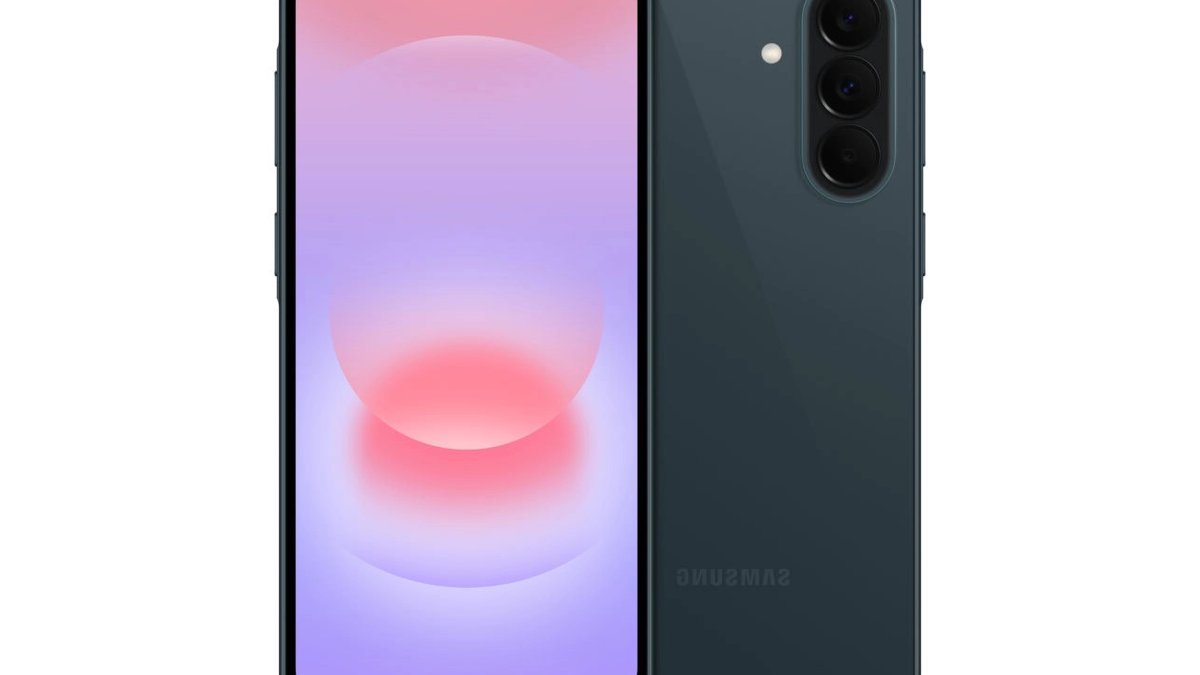
Samsung has placed its budget‑friendly Galaxy A37 on a quarterly update cycle just four months after the phone’s launch, a shift that diverges from the company’s usual pattern for mid‑range devices.
Update schedule changes raise questions
The handset was unveiled in March, and at that time Samsung pledged six major operating‑system upgrades and six years of security patches. Yet, unlike its sibling models that typically remain on a monthly update rhythm for an extended period, the A37 will now receive software patches every three months.
According to the company’s statement, the promised longevity will still be honored despite the earlier transition to a less frequent schedule. The move is notable because the Galaxy A37 has not yet received the July 2026 Android security update, a patch many other devices—including the Galaxy A33—already obtained.
Samsung’s broader Galaxy A line often stays on monthly updates well into its lifecycle. The Galaxy A57, launched alongside the A37, continues to follow that cadence, highlighting the inconsistency between the two models.
Device specs and market positioning
The A37 arrives with a 6.7‑inch Super AMOLED screen that supports a 120 Hz refresh rate, a feature more commonly seen in higher‑end phones. Power comes from the Exynos 1480 chipset, paired with options for 6 GB, 8 GB, or 12 GB of RAM.
Battery capacity sits at 5,000 mAh, and Samsung promises 45 W wired charging. Photography is handled by a 50‑megapixel primary sensor, supplemented by an 8‑megapixel ultrawide lens and a 5‑megapixel macro camera.
Related: Samsung’s new US plant won’t cut chip costs
These specifications suggest Samsung is targeting cost‑conscious consumers who still want a sizable display and decent performance, even if the update cadence is less aggressive than expected.
From a broader perspective, the decision to shift the A37 to quarterly updates may reflect Samsung’s effort to balance resource allocation across its expanding portfolio. As the company rolls out more devices each year, maintaining a monthly patch schedule for every model could strain development teams, especially when many products share similar hardware platforms.
This trade‑off could influence how quickly new features reach lower‑priced phones, potentially affecting user experience over the device’s lifespan.
Despite the schedule alteration, Samsung assures users that the A37 will still receive the full complement of six OS upgrades and six years of security updates. That commitment remains the most significant guarantee for buyers concerned about long‑term support.
For consumers tracking Android version history, the official Android website provides a timeline of releases that can help gauge when future updates might arrive.




Leave a Reply