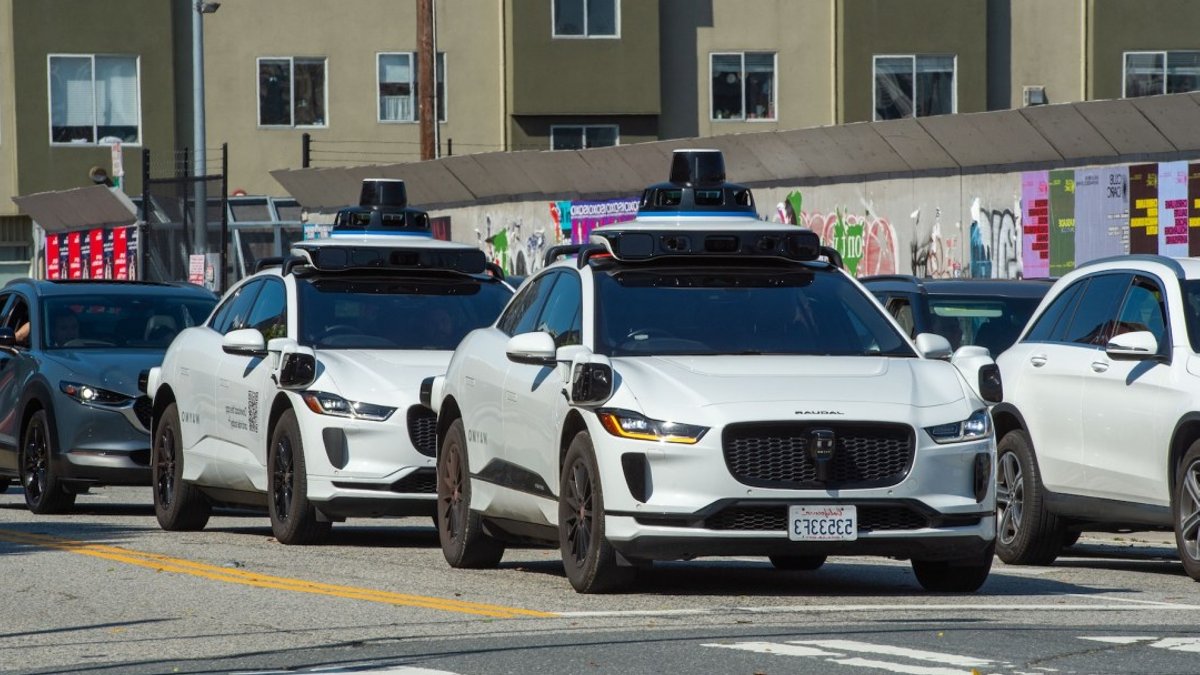
San Francisco Mayor Daniel Lurie is pushing for stricter regulations on autonomous vehicles following a July 4 incident where dozens of Waymo robotaxis became immobile in heavy traffic, ran out of power, and blocked key streets.
Mayor requests statewide standards for robotaxis
In a letter to the California Department of Transportation, Lurie proposed four key requirements for companies to prevent future traffic problems. Operators would need to:
- Remove or relocate stalled vehicles from active lanes immediately
- Adjust routes and service areas in real time during emergencies
- Share live operational data with local agencies, including vehicle locations and recovery efforts
- Demonstrate through testing that they can manage large crowds and sudden traffic surges
The mayor cited two recent events—a December power outage and the July 4 fireworks, which attracted 100,000 spectators—as examples of the same issue: robotaxis struggling to adapt when conditions change. He wrote that California must ensure these vehicles perform reliably during unusual circumstances, not just routine operations.
The San Francisco Chronicle first reported on the letter. Waymo, which runs about 1,000 robotaxis in the Bay Area, had taken some steps for the holiday, such as restricting service near the waterfront and placing a representative at the city’s emergency center. Those measures proved insufficient.
Waymo has not commented on the matter.
Related: Elon Musk’s Commitment to Anthropic: Myths, Deals, and Competitive Ethics (2026 Guide)
Regulators already reviewing autonomous fleets
California mandates two permits for robotaxi operations—one from the Department of Motor Vehicles and another from the Public Utilities Commission. While the state’s rules are stricter than those in other states, companies continue to prioritize the Bay Area for testing and deployment.
Six companies hold driverless testing permits in the region, including Waymo, Amazon’s Zoox, and Nuro. Waymo leads the market with over 500,000 paid rides weekly across 11 cities. Uber is preparing to launch a premium robotaxi service, while Tesla operates a driver-assisted ride-hailing service under a charter permit but lacks approval for fully autonomous vehicles.
The call for tighter rules comes as autonomous vehicles shift from testing to widespread use. The July 4 gridlock, which affected thousands of people, demonstrated how a single failure can disrupt an entire city. Lurie’s letter suggests that California’s current regulatory framework does not adequately address how autonomous vehicles operate during major incidents.
The California Department of Transportation has not replied to Lurie’s letter. Waymo, meanwhile, continues expanding its service.
Investors have taken notice of the sector’s growth. Greylock recently capped a fund despite having the capacity to raise more, signaling confidence in long-term opportunities.



Leave a Reply