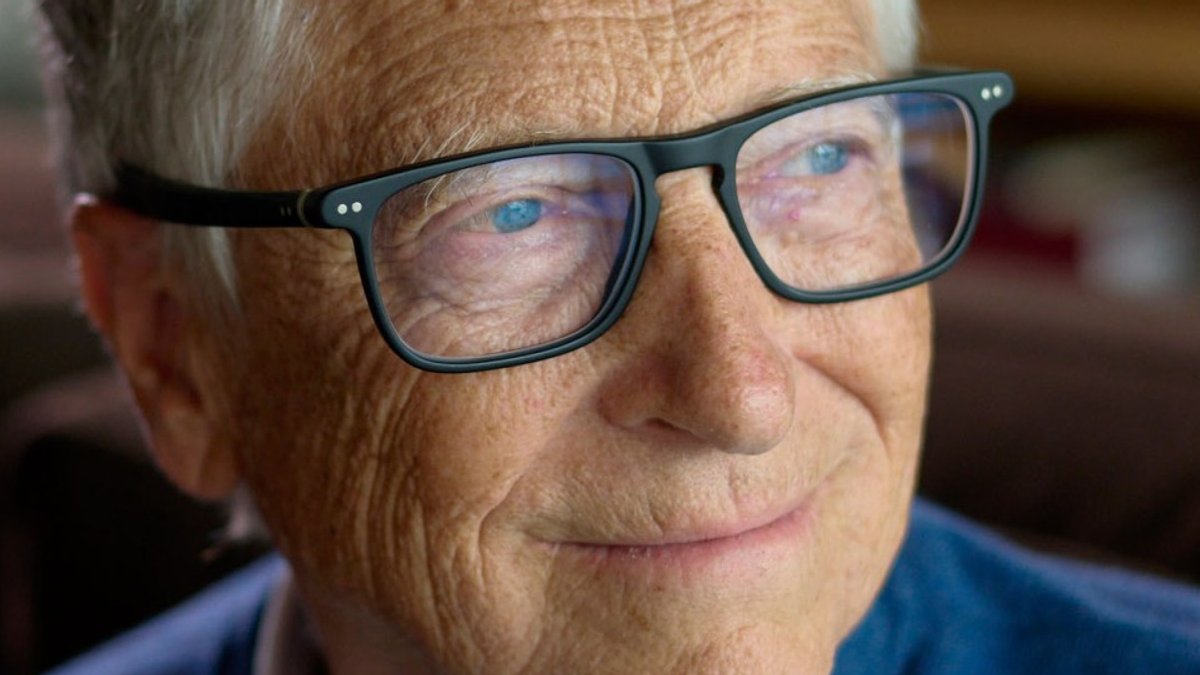
Bill Gates is urging global leaders to confront the rapid advancement of artificial intelligence, arguing that society has already crossed critical danger thresholds. The former Microsoft CEO believes the speed of technological progress has outpaced necessary safety guardrails, creating urgent risks in areas such as cybersecurity, biotechnology, and the stability of the global labor market.
Crossing Key Safety Thresholds
In a recent series of discussions, Gates highlighted that the industry has moved past points where experts once expected to implement widespread controls. He noted that models capable of generating novel molecules present a specific, heightened threat of bioterrorism. He characterized this risk as significantly more dangerous than natural pandemic threats, calling for mandatory monitoring of any systems capable of such synthesis.
Related: AI enters the classroom and robots hit Shanghai
Beyond biological risks, the technology is rapidly altering the economic setting. Gates pointed out that for a substantial portion of the white-collar workforce, AI agents now provide a low-cost substitute for human labor. This shift is occurring faster than previous technological revolutions, and he warned that traditional economic models are no longer reliable indicators for predicting the upcoming period of transition.
The sudden nature of these breakthroughs means that societal adjustments will likely follow a rocky path. While the long-term outlook might include increased abundance in sectors like healthcare and education, the intervening decade will probably be defined by significant turbulence. Policymakers who fail to address these risks now may find themselves struggling to manage the consequences once these systems are fully integrated into critical infrastructure.
Proposed Policy Interventions
To mitigate these negative outcomes, Gates has proposed several policy mechanisms aimed at protecting the workforce and funding social safety nets. Among these is a potential tax on AI usage, often referred to as a token tax, which would generate revenue from automated systems that displace human roles. He suggests this could function similarly to existing sales or value-added taxes.
Related: Acer Laptop Features Dedicated Gemini Key
He also introduced the concept of human-reserved jobs, a policy that would designate specific professions to be performed exclusively by people. While the criteria for such a designation remain open to debate, he suggested it could be applied on a country-by-country basis to preserve human dignity or provide a transition period for displaced workers.
Government and Industry Collaboration
He argued that officials must increase their internal knowledge to effectively collaborate with industry leaders on safety standards.





Leave a Reply