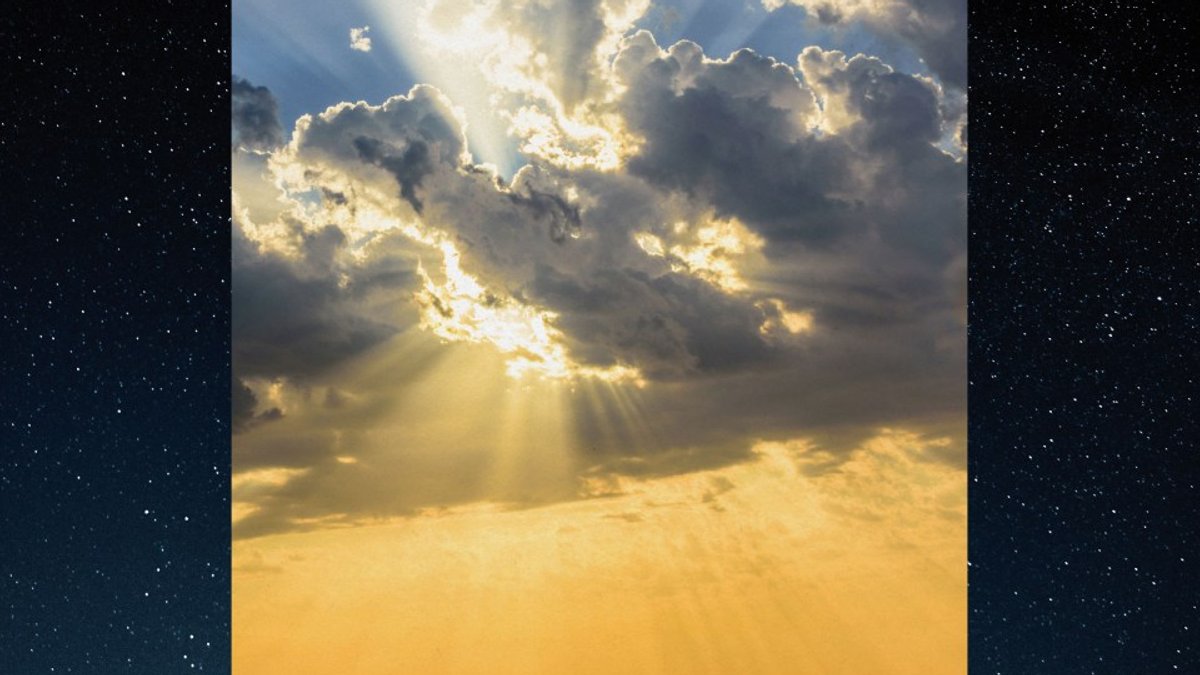
A California startup’s plan to deploy thousands of orbiting mirrors could brighten the night sky for millions, new research warns. The initiative raises concerns about its effects on astronomy, wildlife, and aviation.
Mirrors in space could outshine the full moon
Reflect Orbital plans to launch a test satellite later this year. The satellite will carry an 18-by-18-meter mirror designed to reflect sunlight back to Earth on demand. The company envisions a network of larger satellites, capable of directing sunlight to specific locations for solar energy, emergency response, or military use.
A study indicates the reflected beams could scatter light across tens of kilometers, reaching brightness levels similar to 10,000 full moons. The glow may disrupt astronomical observations, disorient migratory animals, and affect pilots’ night vision. These findings add to broader discussions about the environmental and regulatory challenges of commercial space ventures.
Earlier statements suggested the technology would operate only during daylight in targeted areas. The project could influence other companies exploring similar ideas, including solar power satellites and orbital advertising. Congestion in low Earth orbit has already led to calls for stricter international coordination.
The night sky remains unchanged—for now. Reflect Orbital’s test launch may signal the start of a new phase in space-based infrastructure, where utility and disruption become increasingly intertwined.
AI-designed drugs and patent law challenges
Insilico Medicine identified a promising drug candidate for pulmonary fibrosis, calling it a breakthrough achieved by generative AI. When filing a patent, however, the application listed five human researchers as the sole inventors, omitting the AI system that proposed the molecule.
Related: Global networks for the hydrogen gold rush
This gap reveals a key issue in intellectual property law. AI can generate novel drug designs, but only humans can hold patents. The U.S. Patent and Trademark Office and courts have consistently ruled that inventorship requires a natural person, leaving AI-generated discoveries without clear legal protection.
Other firms face the same dilemma. As AI models improve, they suggest drug compounds, materials, and mechanical designs with minimal human input. Current law requires companies to attribute inventions to employees, even if their role was mainly overseeing the AI’s work.
Legal experts remain divided. Some argue the system is outdated, noting scenarios where AI could autonomously develop patentable inventions without human involvement. Others caution that expanding inventorship to include machines might weaken patent value or encourage companies to exaggerate AI’s role in research.
The debate remains unresolved. The European Patent Office has rejected applications listing AI as an inventor, while U.S. officials have indicated a willingness to revisit the issue as AI advances. Companies currently handle the uncertainty by naming humans in patents while still promoting AI’s contributions in their public messaging.
This strategy may suffice for now. As AI systems become more independent, however, the question of who deserves credit for an invention could force a major shift in patent law.
Such changes could also affect how businesses approach workplace agreements and intellectual property protections.



Leave a Reply