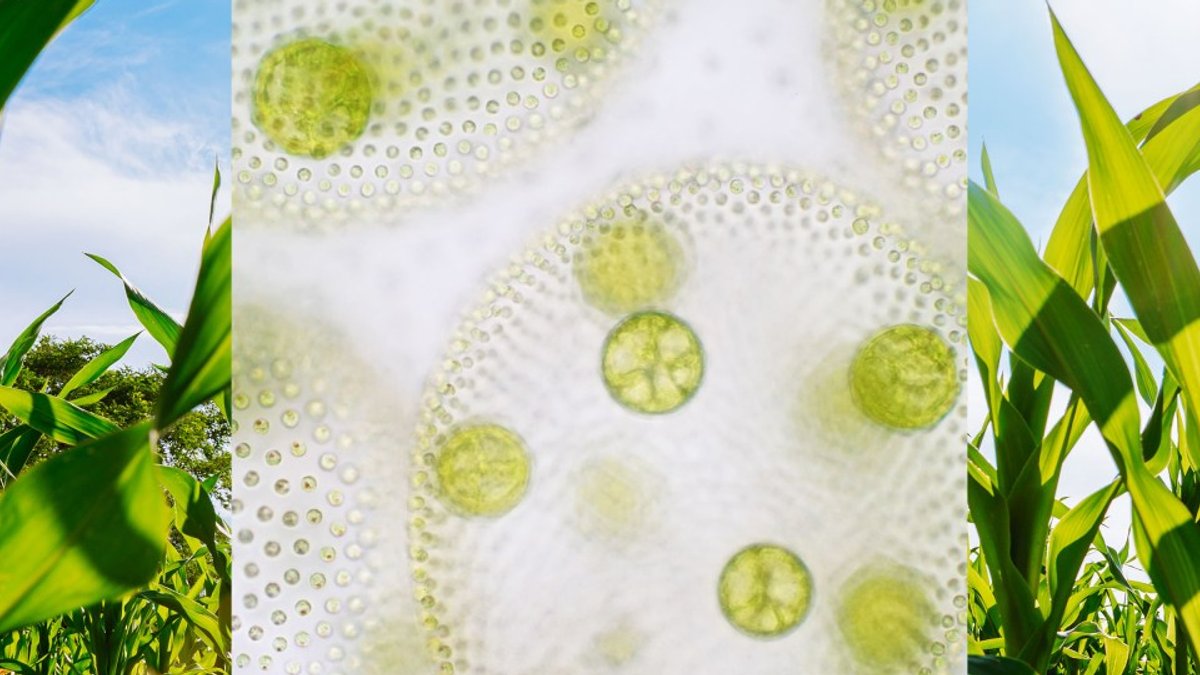
Engineered microbes could become a major tool for feeding the world’s crops, according to a new report on a startup’s experimental approach to nitrogen delivery.
Why nitrogen matters for modern agriculture
Fertilizer supplies essential nitrogen that plants need to grow, yet producing synthetic fertilizer consumes large amounts of energy and releases greenhouse gases. The report notes that the sector’s emissions are a significant concern for climate goals, prompting researchers to look for alternatives that cut the carbon footprint.
Microbes that naturally fix atmospheric nitrogen have long been studied, but most strains cannot survive the harsh conditions of large‑scale farms. The challenge has been to create organisms that both thrive in the soil and deliver enough nitrogen to replace conventional inputs.
Related: AI Shapes Children’s Upbringing
Switch Bioworks’ genetic switch strategy
Startup Switch Bioworks is testing a new method that hinges on a “genetic switch.” The engineered microbes first establish a foothold in the soil and grow to a healthy population before the switch flips, prompting them to produce nitrogen for nearby plants.
The company says the two‑stage design helps the microbes avoid early‑stage stress that often kills engineered strains. Once the switch is activated, the microbes begin converting atmospheric nitrogen into a form plants can absorb, potentially reducing the need for chemical fertilizer.
Trials are under way in six U.S. states, though the report admits it is too early to gauge field performance. Early data are limited, but the company’s internal modeling suggests the microbes could eventually replace about 50 % of synthetic fertilizer use.
Potential benefits and remaining questions
Should the technology scale, farmers could see lower input costs and a reduced carbon footprint.
Related: Researchers Find Vulnerability That Lets Attackers Control Devices
However, the path from trial to widespread adoption is uncertain. The microbes must compete with native soil organisms, survive varying climates, and maintain nitrogen production over multiple growing seasons.
Still, the real test will be long‑term field data. Farmers will need proof that yields remain stable or improve, and that the microbes do not cause unintended ecological effects. The report’s cautious tone reflects an awareness that laboratory success does not automatically translate to farm success.
For now, the initiative remains a promising but unproven piece of the broader effort to improve agriculture. As the trials progress, stakeholders will watch closely to see whether the engineered microbes can move from the lab bench to the rows of corn and soy that feed billions.





Leave a Reply