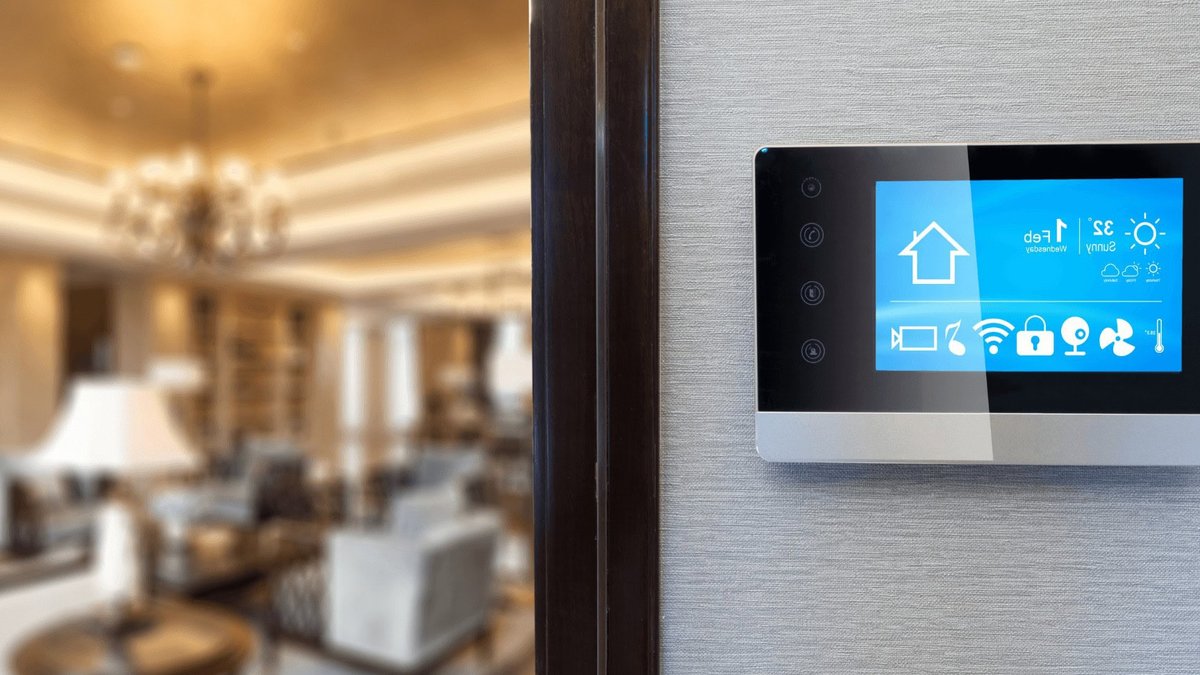
Antivirus software often struggles to protect Internet of Things devices, which many experts jokingly refer to as “IoT” rather than Internet of Things. While news reports frequently highlight incidents where webcams and smart TVs are hijacked or smart fridges used for spam campaigns, standard antivirus programs do not run on these appliances. The software typically resides on phones or computers and cannot scan a smart lock or a Wi-Fi plug behind a television set.
The Problem With Unsecured Appliances
Manufacturers frequently ship smart devices with weak credentials like “admin” or “1234” and open ports that act as an invitation to attackers. These products often lack the operating systems required to host security programs, leaving them vulnerable to exploitation. This security gap means that a hacker could potentially access a casino’s high-roller database through a compromised fish tank thermometer.
How Modern Security Tools Adapt
Antivirus providers have introduced network-level protection features to address this gap. Instead of scanning the device itself, these tools monitor the Wi-Fi network for suspicious behavior. If a smart doorbell attempts to connect to an unfamiliar server, the software can alert the user. Advanced versions can also block suspicious IP addresses and detect when a device has joined a botnet.
Network security is not a perfect solution. It scans devices only when they connect and lacks the real-time protection of a traditional endpoint scanner. Furthermore, a standard router that is not regularly updated or secured with WPA3 encryption provides little defense. The most effective way to protect personal data is to place IoT devices on a separate guest network, isolating them from main computers and phones.
Regulation And The Role Of Manufacturers
While consumers are often advised to update firmware and change default passwords, the responsibility lies largely with device makers. Some companies cease support for products once newer models are released, leaving vulnerabilities unpatched. The UK’s Product Security and Telecommunications Infrastructure Act, which took effect in April 2024, mandates minimum security standards for devices sold in the region. This legislation requires manufacturers to avoid default passwords and provide a public point of contact for reporting vulnerabilities. The effectiveness of such laws will depend on how strictly they are enforced.
Antivirus remains a necessary tool for phones, tablets, and computers, which are the primary entry points for attacks. Hackers rarely crack smart appliance firmware directly; they typically compromise the mobile app or web login. This approach allows them to control the devices remotely. Users should keep antivirus installed and change default passwords immediately upon setup.
Protecting The Network Infrastructure
The router serves as the central hub for all connected devices. If this hardware is not secured, the entire network is at risk. Many users leave their default router settings unchanged. This oversight provides attackers with a direct entry point into the home. A compromised router can act as a bridge for attacks on other devices.
Manufacturers Must Accept Responsibility
Antivirus is 100% something that you should have your phone, computer or tablet. And since those actually connect to your IoT devices and control them, it is definitely worth having. It is important to remember that when hackers get into a smart home, it is generally through the app on your phone or a browser on your laptop, not the device itself. It is far easier to get in through a compromised login than trying to crack the firmware on a smart fridge. In short, keep the antivirus and make sure to change every default password on every smart device that you have from the moment you take it out the box.




Leave a Reply